

A garage door rarely stops working without giving some indication that something is wrong. A new grinding sound, a slower opening cycle, or a door that no longer sits level can all signal that a component needs attention. Recognizing these changes early gives homeowners a chance to address a developing issue before the door becomes difficult or unsafe to operate.
For homeowners researching garage door repair Severn MD, knowing what to look for can make it easier to explain a problem and decide when to request an inspection. The following five warning signs cover common changes in garage door operation and what they may indicate.
Neighborhood Garage Doors provides garage door services for homeowners in Severn and nearby communities. This guide focuses on practical warning signs, safe next steps, and situations where professional help is recommended.
Quick Answer
Unusual noises, uneven movement, repeated reversing, a door that feels unusually heavy, and visible track or cable problems are five signs that a garage door may need professional attention. Stop operating a door that is stuck, crooked, or difficult to lift. Springs, cables, and displaced rollers should be inspected by a qualified technician rather than adjusted at home.
Key Takeaways
- New grinding, squeaking, or banging sounds can point to worn or loose components.
- Jerky or uneven movement may involve rollers, tracks, cables, or the spring system.
- A door that reverses may have a sensor, opener, or travel-setting issue.
- A heavy or crooked door should not be forced or manually repositioned.
- Professional inspection can identify the cause before further damage occurs.
1. Your Garage Door Makes Unusual Noises
A new grinding, squealing, rattling, or banging sound is one of the earliest signs that a garage door needs attention. Most homeowners know the normal sound of their door, so a change in that routine is worth noticing. These noises can indicate friction, loose hardware, worn rollers, or a problem elsewhere in the operating system.
The type of noise and when it happens can offer useful clues. A repeated squeak may come from a moving hinge or roller, while a grinding sound may suggest that a component is no longer traveling smoothly. Mention these changes when arranging an inspection, since they help narrow down the cause. A sudden loud bang should be treated more cautiously, especially if the door also becomes difficult to lift.
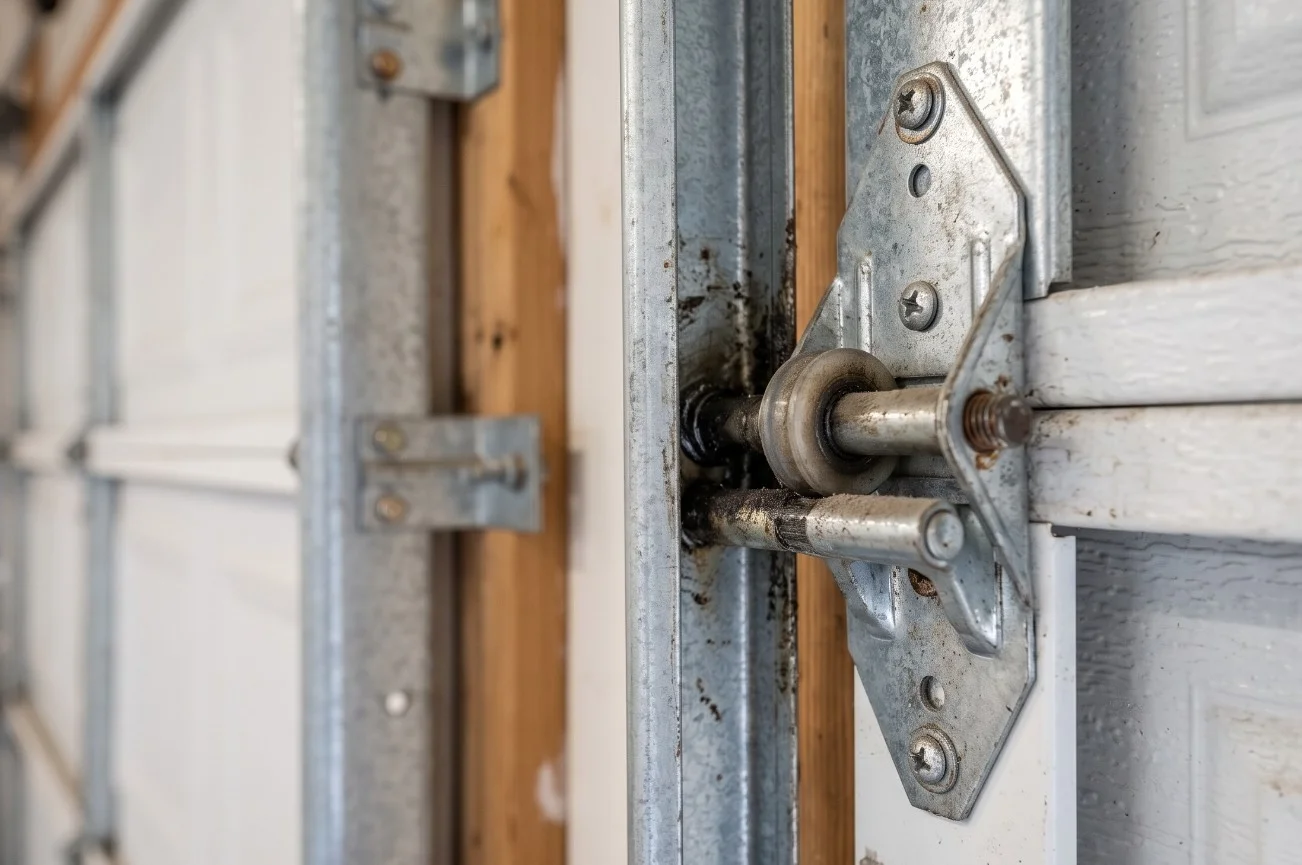
Try to remember whether the sound occurs while opening, closing, or throughout the entire cycle. Share that detail with the technician, but do not reach into the track or attempt to tighten hardware while the door is operating.
2. Your Garage Door Moves Slowly or Unevenly
A door that jerks, pauses, shakes, or hangs lower on one side is no longer moving as it should. A garage door should travel in a controlled, consistent motion, so these changes suggest the system may no longer be properly aligned or balanced.
Possible causes include worn rollers, a bent track, loose mounting brackets, cable problems, or an issue with the spring system. Because these parts work together, a visible symptom does not always identify the component that has failed. A technician should inspect the complete operating system before recommending a repair, rather than replacing parts based on the symptom alone.
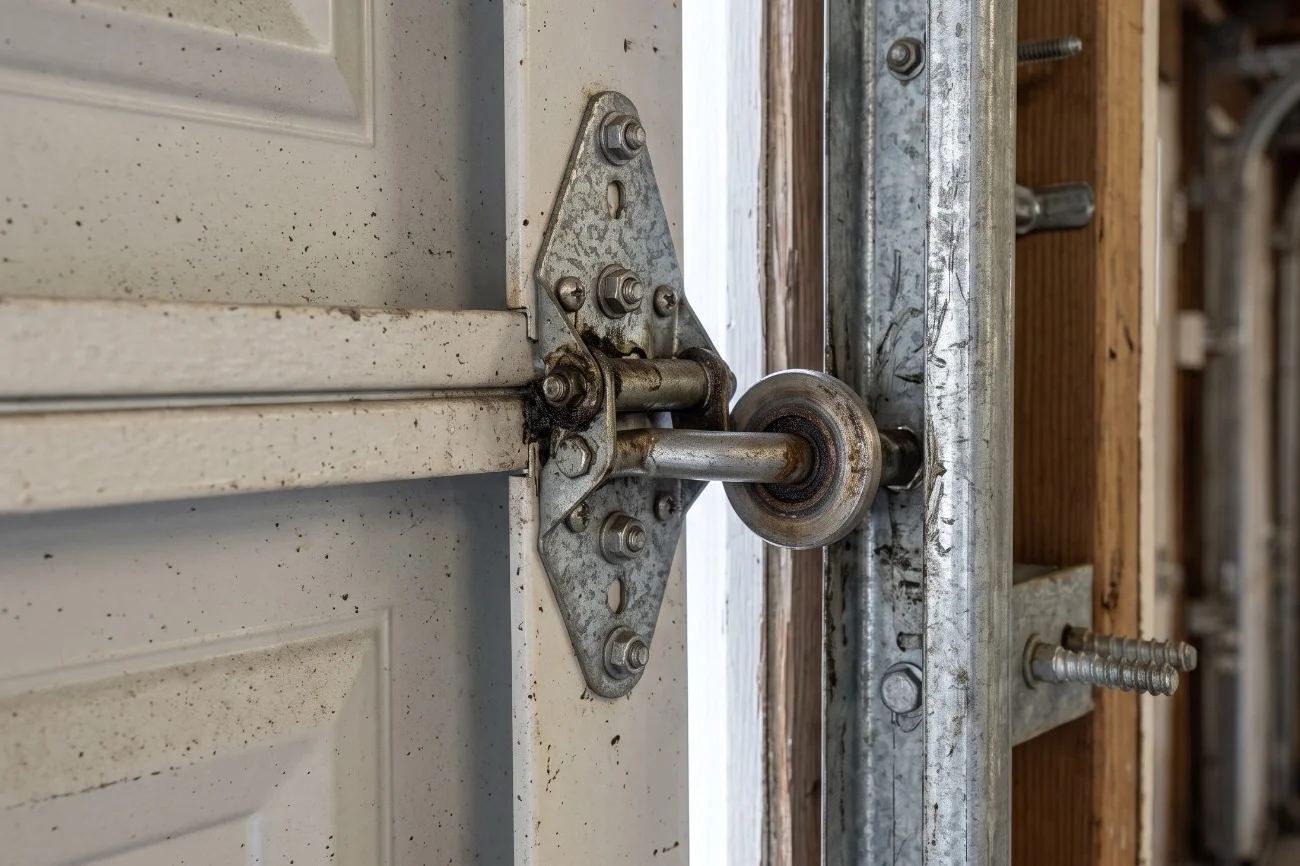
If the door rubs against the track or a roller appears displaced, do not try to push it back into position. The door may be under tension and could shift unexpectedly. An inspection can establish whether the track, rollers, brackets, or another part needs attention.
3. Your Garage Door Reverses or Won't Close Properly
A door that reverses before closing is most often responding to a blocked or misaligned safety sensor, although the opener or the door hardware can also be the cause. A door that begins closing and then reverses can leave the garage unsecured and interrupt your routine. The sensors near the bottom of the opening detect objects in the door's path, and dirt, an obstruction, misalignment, or a wiring issue can interfere with the signal.
If the sensor area is clear and the door still reverses, the cause may involve the opener, its travel settings, or another mechanical problem. Avoid bypassing safety sensors or changing unfamiliar electrical settings to make the door close.
When the opener struggles, stops responding, or operates inconsistently, a technician can assess whether garage door opener repair is appropriate. The inspection should consider both the opener and the door itself, since an opener may struggle when another component is binding.
4. Your Garage Door Feels Heavy or Won't Lift
A door that suddenly feels heavy or will not lift usually has a broken or weakened spring. Garage door springs counterbalance much of the door's weight, so when one fails the door can become unusually heavy, rise only a short distance, or fail to open at all. You may also hear a sudden snapping sound when the spring fails.
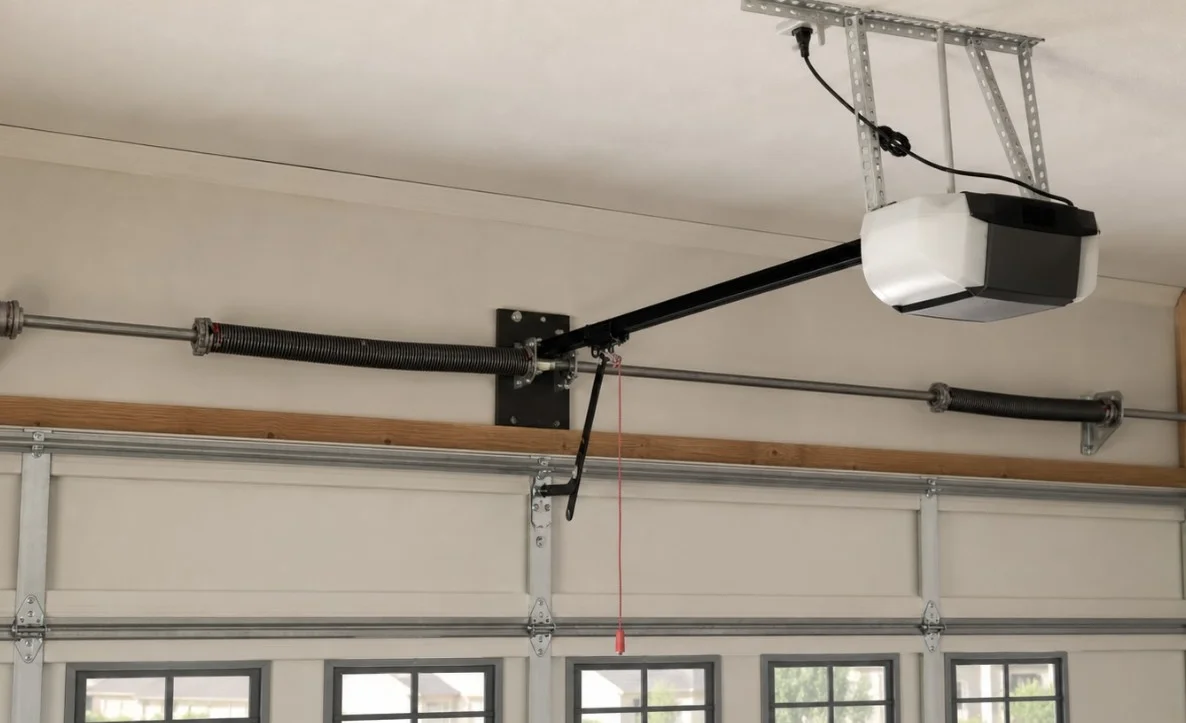
Do not try to lift a heavy door, loosen spring hardware, or replace a spring yourself. If you suspect a spring has failed, leave the door untouched until it can be inspected. These components store substantial energy and can cause serious injury if handled incorrectly. Stop using the door and arrange professional spring repair as soon as a spring problem is suspected.
5. Your Garage Door Looks Uneven or Gets Stuck
A door that hangs crooked or stops partway through its travel is a safety concern that calls for a professional inspection. One side may hang lower, a gap may appear uneven along the floor, or the door may stall midway. These symptoms can be associated with damaged cables, displaced rollers, track problems, or a failure in the counterbalance system.
Arrange a professional repair rather than trying to force the door through its cycle. Continuing to operate it can place additional strain on the remaining hardware and may cause the door to shift further. Keep people and vehicles clear of the opening, and do not pull the door into alignment by hand.
When these symptoms appear, garage door repair in Severn, MD should begin with an inspection to identify the source of the problem. The correct repair depends on which component is damaged and whether other parts have also been affected.
What Should You Do When You Notice These Warning Signs?
The safest response is to stop using a door that behaves unpredictably and avoid attempting repairs involving high-tension or load-bearing components. A few simple observations can still help you describe the issue accurately.
- Note whether the problem happens during opening, closing, or both.
- Look for visible obstructions around the photo-eye sensors without touching wiring.
- Keep the area clear if the door is crooked, stuck, or hanging unevenly.
- Do not loosen springs, cables, brackets, or track hardware.
- Arrange a professional inspection and ask what caused the failure and what the estimate includes.
If a spring or cable appears broken, the door is off track, or the door is hanging at an angle, leave it in place and keep clear. Do not repeatedly activate the opener in an attempt to move it.
Noticing a Change in Your Garage Door?
Describe the symptoms and ask about the next steps for an inspection.
Why Choose Neighborhood Garage Doors in Severn, MD?
When a garage door develops a problem, a useful inspection should look beyond the most obvious symptom. A door that moves unevenly, for example, may involve more than one component. Identifying the cause helps determine whether the appropriate solution involves the opener, rollers, track, cables, or spring system.
Neighborhood Garage Doors serves homeowners in Severn and the surrounding Maryland area through its Columbia office. To learn more about local coverage and available services, visit the garage door repair in Severn, MD service-area page. For a broader overview of available work, see the company's garage door repair services.
If you are considering a new door rather than repairing the existing one, review the company's garage door installation information. The right option depends on the condition of the current door, the extent of damage, and your needs.
Frequently Asked Questions
What are the most common signs that a garage door needs repair?
Common signs include unusual noises, uneven or jerky movement, repeated reversing, a door that feels unusually heavy, and visible track or cable problems. Stop operating a door that appears unsafe and arrange an inspection.
Why does my garage door make grinding or squeaking noises?
These sounds can be associated with worn rollers, loose hardware, friction, or components that are no longer moving smoothly. An inspection can identify the source rather than relying on guesswork.
Can I open my garage door if the spring is broken?
Do not try to operate a door with a suspected broken spring. The door may be extremely heavy, and using the opener can cause further damage or create a safety risk. Keep clear and contact a qualified technician.
Why does my garage door reverse before closing?
An obstruction, dirty or misaligned safety sensor, opener setting, or mechanical issue may cause the door to reverse. Check for obvious obstructions near the sensor area, but do not bypass safety features.
How do I know whether to repair or replace my garage door?
Repair may be suitable when the door is structurally sound and the problem is limited to a component. Replacement may be worth discussing when there is extensive damage or several major components are failing. An inspection can help compare the options.
For more general information, visit the garage door repair questions and answers on the Neighborhood Garage Doors FAQ page.
Need Help With Garage Door Repair in Severn?
If your garage door is noisy, uneven, stuck, or refusing to close, contact Neighborhood Garage Doors to talk through your options and ask about service availability in Severn.
Office address: 6700 Alexander Bell Drive, Unit 235, Columbia, MD 21046
Phone: (240) 262-3553
Severn service area: Severn, MD
Website: Neighborhood Garage Doors Of Columbia