
When a garage door opener hesitates, reverses, makes unusual sounds, or stops moving, a garage door opener repair service can help find out whether the cause is electrical, mechanical, or related to the door itself. An opener should respond consistently when you use a wall button, remote, or keypad, so this guide explains common symptoms and when professional help is appropriate for a residential system.
Homeowners sometimes assume that every opener issue means the motor has failed. In reality, a weak remote battery, blocked safety sensor, power interruption, worn drive component, or unbalanced door can produce similar symptoms. Understanding the difference can help you describe the problem clearly before arranging an inspection. A qualified garage door opener repair service can then assess the opener and related door components together.
Neighborhood Garage Doors serves Rockville and nearby communities. The information below is designed to help local homeowners recognize warning signs, understand basic checks, and decide when professional help is safer than continued troubleshooting.
Quick Answer
A garage door opener may stop working because of a power issue, depleted remote batteries, misaligned safety sensors, damaged wiring, worn drive parts, or a door that is difficult to lift. Start with safe visual checks, such as confirming power and clearing sensor obstructions. If the opener hums without moving the door, repeatedly reverses, smells hot, or continues to malfunction, stop using it and arrange a professional inspection.
Key Takeaways
- Opener symptoms can originate in the remote, power supply, sensors, drive mechanism, or garage door hardware.
- Check simple issues such as power and remote batteries before assuming the motor has failed.
- Never adjust springs, cables, or other high-tension hardware as a DIY troubleshooting step.
- Repeated reversing, grinding, burning smells, or a motor that runs without moving the door deserve professional attention.
- Repair or replacement decisions depend on the opener's condition, parts availability, safety features, and the condition of the door.
Why Is Your Garage Door Opener Not Working?
A garage door opener commonly stops responding because it has lost power, its remote is not communicating with the unit, its safety sensors are interrupted, or a mechanical component is preventing normal movement. The opener and the door work as one system, so the source of the problem is not always the motor itself. A garage door opener repair service should consider both systems before recommending a part replacement.
For homeowners in Rockville, MD, an opener fault can interrupt daily access whether the property is near King Farm, Twinbrook, Woodley Gardens, or Fallsgrove. Neighborhood Garage Doors provides local garage door service for customers who need help identifying opener symptoms. Learn more about garage door opener repair Rockville MD options and the local service area.
Before assuming the opener has failed, notice exactly what happens when you press the control. A unit that makes no sound may have a power or control issue. A motor that runs while the door stays still may point to a drive or door connection problem. A door that starts down and reverses may be responding to its safety system or encountering resistance.
Common Garage Door Opener Problems
Common garage door opener problems include an unresponsive remote, a door that reverses, an opener motor that runs without moving the door, intermittent operation, and unusual noises. The symptom can help narrow down what a technician should inspect, but it does not confirm a specific failed part by itself.
The remote control does not work
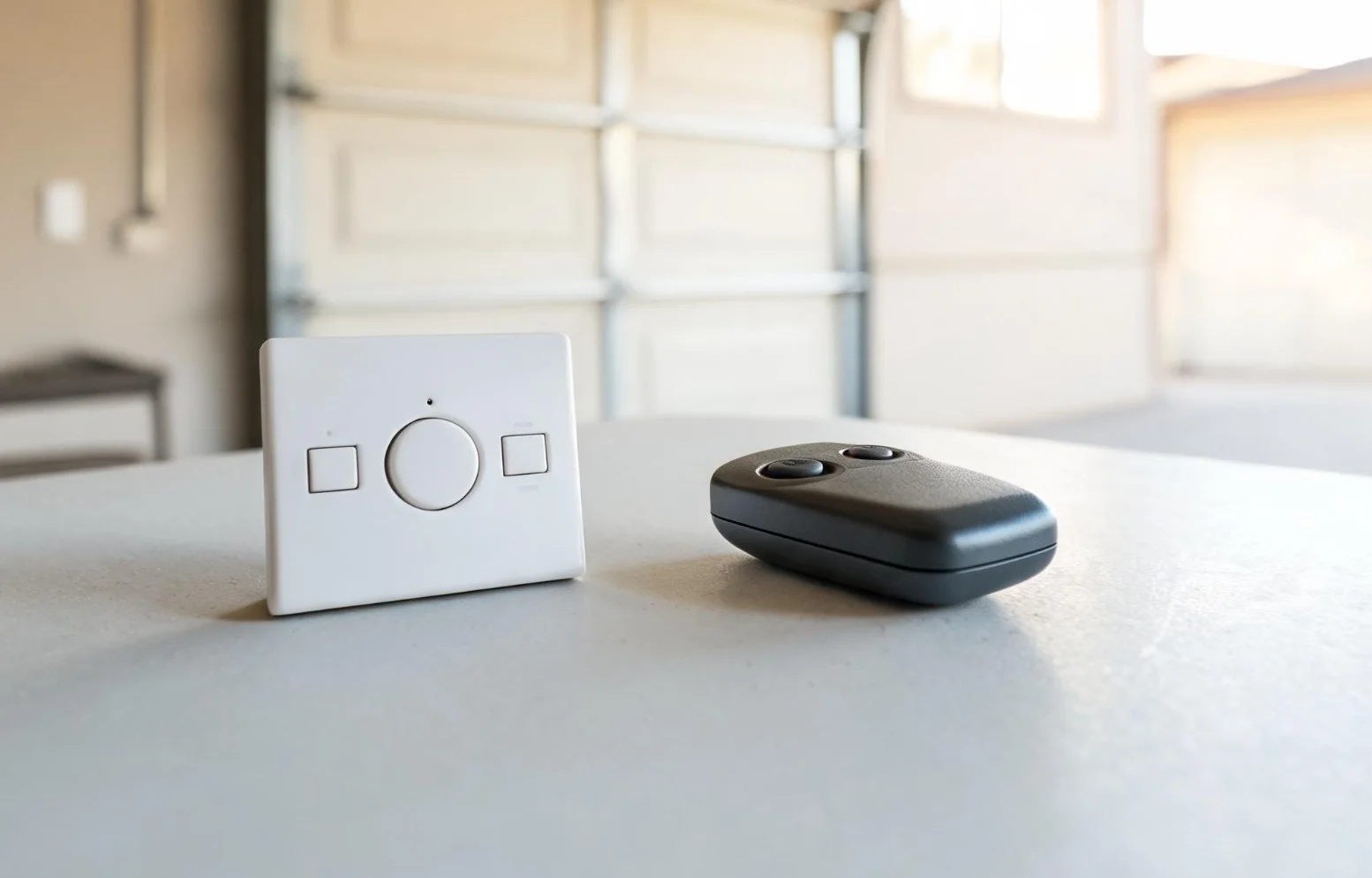
If the wall button operates the door but the remote does not, check the remote batteries and make sure you are within the normal operating range. A remote may also need to be reprogrammed or inspected if its buttons or internal contacts are damaged. If neither the remote nor wall control works, check whether the opener has power before moving to more involved troubleshooting.
The door reverses before closing
A door that begins closing and then reverses may have an obstructed or misaligned safety sensor, an issue with its travel settings, or resistance along the door's path. Keep the opening clear and inspect the sensor lenses for dirt or visible obstruction. Do not bypass the safety system to force the door to close.
The opener motor runs, but the door does not move
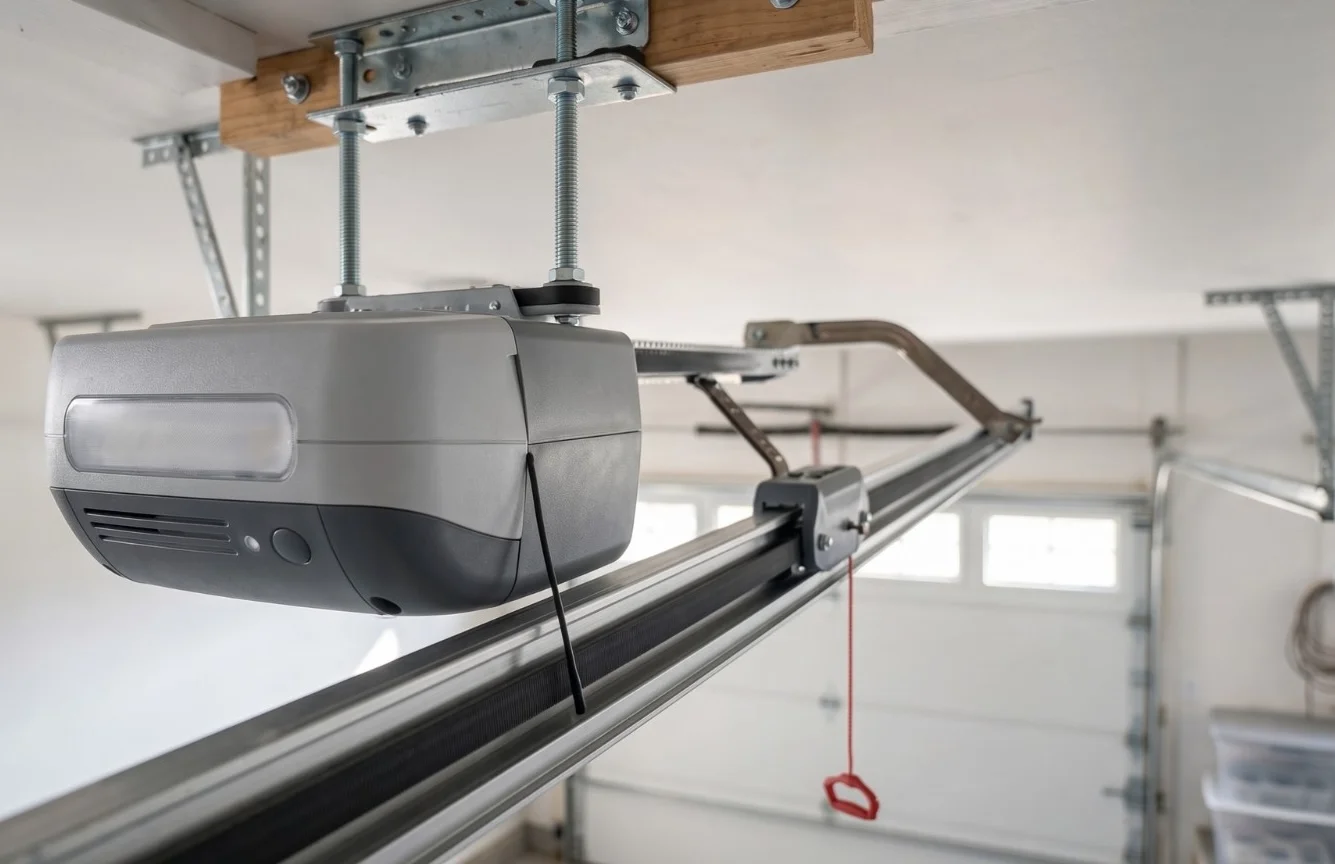
When the motor runs but the door stays in place, the issue may involve the trolley, carriage, drive gear, belt, chain, or the connection between the opener and door. The door itself may also be jammed or difficult to move. Avoid repeatedly activating the opener, as continued operation can worsen damage.
The opener works intermittently
Intermittent operation can be related to loose electrical connections, remote interference, a failing control board, or inconsistent sensor signals. Note whether the problem occurs with one remote, every control, or only at certain times. This detail can help narrow the inspection.
The opener makes grinding, clicking, or humming sounds
New or worsening sounds can indicate worn gears, a strained motor, loose hardware, or a door that is binding. A brief click may have a different cause from persistent grinding or humming. Garage door motor repair may be considered after a technician checks the motor, gears, and electrical connections. Stop operating the system if the sound is accompanied by burning odor, visible damage, or abnormal movement.
5 Warning Signs Your Garage Door Opener Needs Repair
Warning signs that an opener may need attention include delayed response, repeated stopping, inconsistent remote operation, unusual motor noise, unexpected reversing, and visible wear around the drive system. If the door becomes crooked, unusually heavy, or unsafe to operate, the issue may involve the door hardware rather than the opener alone.
- Delayed response: The opener takes noticeably longer than usual to respond to a control.
- Repeated reversal: The door changes direction without an obvious obstruction.
- Unusual sound: Grinding, straining, or repeated clicking begins during operation.
- Inconsistent movement: The door stops partway, moves unevenly, or behaves differently from one cycle to the next.
- Visible damage: The rail, trolley, wiring, or opener housing appears loose, damaged, or out of position.
If the door is stuck open, will not close securely, or presents an immediate access or safety concern, ask a local garage door opener repair service about emergency garage door repair rather than repeatedly cycling the opener.
What Causes Opener Malfunctions?
Garage door opener problems can develop as electrical, electronic, or mechanical components wear or become obstructed. The age and type of opener, how frequently the door is used, the condition of the door hardware, and the surrounding environment can all influence performance.
Power supply or wiring issues
A disconnected plug, tripped circuit, damaged cord, or wiring fault can interrupt power. Only check accessible switches and plugs that can be reached safely. Do not open the motor housing or handle exposed wiring.
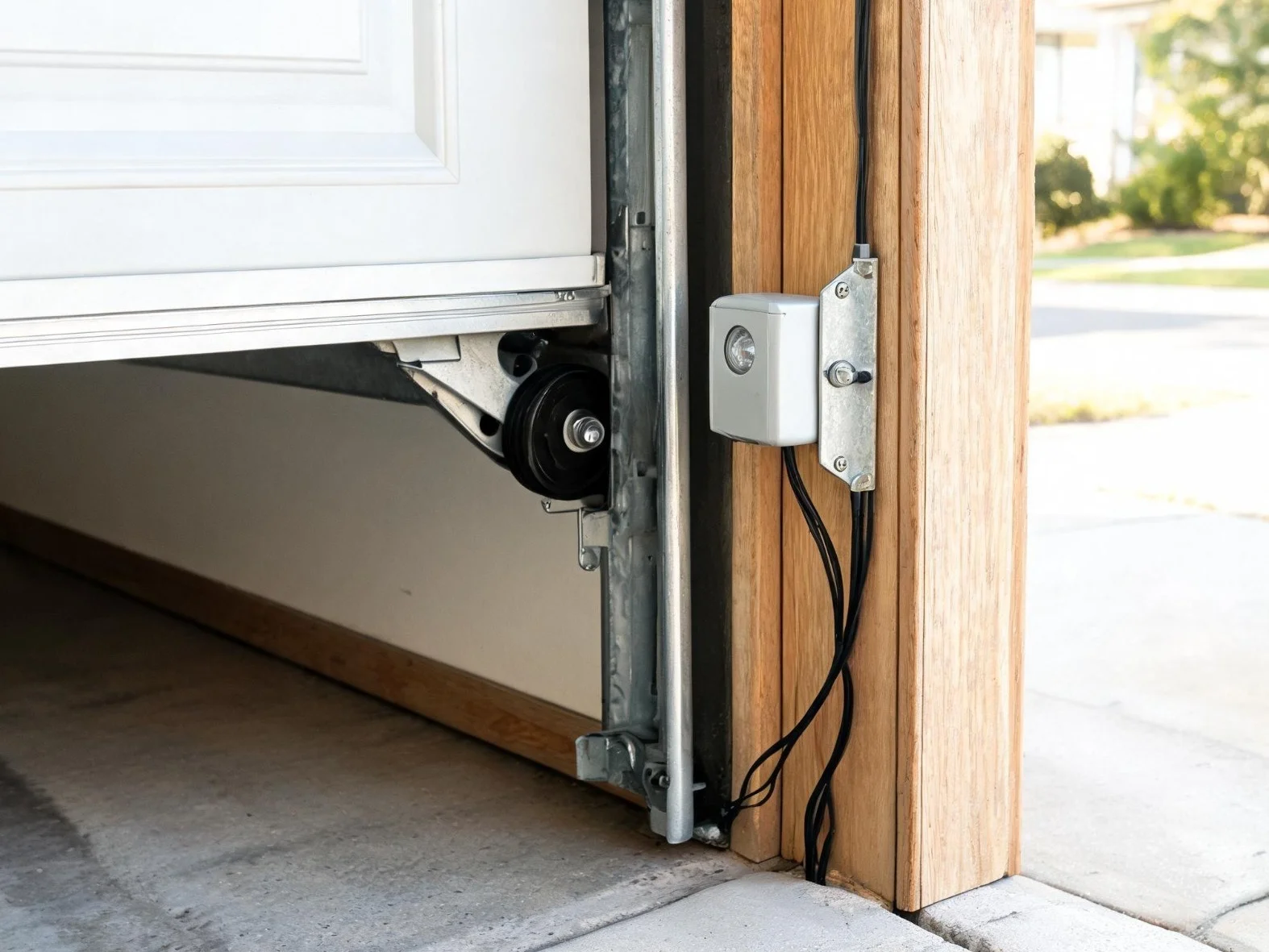
Misaligned or obstructed safety sensors
Photo-eye sensors need a clear path and correct alignment to communicate properly. Dust, an object in the opening, a bumped bracket, or damaged wiring can interfere with the signal. Clean the exterior lens gently and look for obvious obstruction, but do not disable the sensors.
Worn drive components
Belts, chains, gears, sprockets, and trolley components experience repeated movement. Wear or damage can lead to noise, slipping, or loss of movement. A technician can inspect the drive system and determine whether a component can be repaired or needs replacement. A thorough repair should also confirm that the door itself moves freely and safely.
Door balance or hardware problems
An opener is designed to move a properly functioning door, not compensate for a door that is excessively heavy or binding. Worn rollers, track problems, spring damage, or cable issues can put additional strain on the opener. These components can be dangerous to adjust, so leave spring and cable work to a trained professional.
Can You Troubleshoot a Garage Door Opener Yourself?
You can perform a few basic checks if the door and surrounding equipment appear safe. Confirm the opener has power, replace remote batteries, remove visible objects from the sensor path, and check whether the sensor lenses are visibly dirty. These steps may resolve simple control issues, but they will not identify every electrical or mechanical fault.
- Confirm the opener's power source is connected and check the household breaker if it is safe and accessible.
- Replace the remote batteries and test the wall control.
- Clear objects from the door opening and gently clean visible sensor lenses.
- Observe whether the opener lights flash or whether the unit makes a sound when activated.
- Consult the opener manufacturer's manual for model-specific control or reset instructions.
For basic garage door opener troubleshooting, observe and report symptoms rather than taking the motor apart. Do not loosen spring hardware, remove cables, adjust high-tension parts, bypass safety sensors, or stand beneath a door that is not securely supported. If a check does not resolve the issue, stop and request an assessment.
When Should You Call a Professional Repair Technician?
Call a professional when basic checks do not resolve the issue, the motor makes persistent unusual noises, the door reverses repeatedly, or any part of the system appears damaged. Professional diagnosis is especially important when the problem may involve electrical components, the drive mechanism, springs, cables, or a door that is off track.
A technician can assess the opener and the door together, test the safety features, inspect visible wiring and drive components, and explain whether repair or replacement is appropriate. The scope of work and the estimate should be clear before any repair is approved. If you need help identifying the next step, contact Neighborhood Garage Doors to describe the symptoms and request an estimate.
When you call, tell the technician whether the opener makes a sound, whether the wall control works, whether the door reverses, and whether you have noticed visible damage. These observations are more useful than trying to diagnose a component yourself, especially when the fault may involve wiring, the motor, or the drive assembly.
How Much Does Garage Door Opener Repair Cost?
The cost of a repair depends on the opener brand and model, the failed component, labor, parts availability, and whether the door also needs mechanical work. A remote or sensor issue may require a different amount of work from a damaged drive gear, motor, or control board. There is no single price that applies to every opener.
Before approving work, ask what caused the problem, which parts need attention, whether the estimate includes labor and replacement parts, and whether the repair carries a parts or workmanship warranty. If the unit is older or has recurring faults, compare the repair estimate with the cost and features of a suitable replacement.
Request an explanation of the diagnosis, an itemized estimate, the expected scope of work, and any relevant warranty details. A clear estimate should distinguish opener repairs from separate garage door hardware repairs.
How to Maintain Your Garage Door Opener
Regular observation and basic care can help you notice changes before they become larger problems. Keep the sensor area clear, replace remote batteries when needed, listen for changes in operating sounds, and follow the opener manufacturer's maintenance instructions. A regular garage door opener maintenance routine should also include checking the safety features as directed in the manual. Have the door and opener inspected if movement becomes uneven or the system begins to strain.
- Keep the photo-eye sensor lenses clean and the area around them unobstructed.
- Test the door's safety features according to the manufacturer's instructions.
- Check remotes and keypads for worn buttons or weak batteries.
- Watch and listen for changes in speed, movement, or operating noise.
- Arrange professional attention for worn or damaged door hardware.
If an opener is no longer reliable or lacks features you need, discuss whether garage door opener installation is a better long-term option. The right choice depends on the existing unit, the door system, safety requirements, and your preferences. When comparing providers, look for one that can inspect the complete door and opener system, not just the motor.
Why Choose Neighborhood Garage Doors in Rockville?
Choosing a local service provider gives you a direct way to discuss the symptoms, arrange an inspection, and understand the available repair options. Neighborhood Garage Doors has a Rockville office at 206 Congressional Lane #203, serving homeowners in Rockville and nearby communities with garage door repair, installation, and related services.
Whether the issue involves a remote, sensor, drive mechanism, or the door's movement, describe what you have observed and ask for a clear explanation before work begins. You can also review the Rockville service area to learn more about local coverage.
Frequently Asked Questions
Why is my garage door opener not responding?
The opener may have lost power, the remote batteries may be depleted, or a control, wiring, or receiver issue may be preventing a signal. Check accessible power and try the wall control. If neither control works, arrange an inspection.
How do I know if my garage door opener motor is bad?
Persistent humming, burning odor, repeated failure to move the door, or unusual heat can indicate a motor or related electrical problem. These symptoms do not confirm motor failure on their own, so a technician should inspect the system.
Can a garage door opener be repaired instead of replaced?
Many opener faults can be repaired, depending on the failed component, the unit's age and condition, and parts availability. A technician can compare the repair options with replacement when the opener has recurring or extensive problems.
How long does garage door opener repair take?
Timing depends on the cause, the opener model, parts availability, and whether other door components need attention. A straightforward adjustment or replacement part may take less time than diagnosing an intermittent electrical fault.
When should I replace my garage door opener?
Replacement may be worth considering when the unit has repeated failures, major component damage, unavailable parts, or lacks safety features required for the door system. Compare the technician's repair recommendation with the cost and capabilities of a new unit.
What should I do if my garage door opener is making noise?
Stop repeated operation if you hear grinding, straining, or persistent humming, especially if the door moves unevenly. The sound may come from the opener or from door hardware, so have the full system inspected.
For more answers about service, repairs, and scheduling, visit the garage door service questions page.
Need Help With a Garage Door Opener in Rockville?
If your opener is not responding, making unusual sounds, or operating inconsistently, contact Neighborhood Garage Doors to discuss the symptoms and request an estimate. A professional inspection can help identify whether the issue is with the opener, safety sensors, or garage door hardware.
Address: 206 Congressional Ln #203, Rockville, MD 20852
Phone: (240) 940-7548
Website: Rockville Location