
A garage door opener should respond smoothly when you use the wall control or remote. If it clicks without moving the door, stops unexpectedly, or works only sometimes, the problem may involve the power supply, remote, safety sensors, drive system, or opener motor. Understanding the symptoms can help you decide what to check safely and when to arrange garage door opener repair Washington DC.
Not every opener problem means the entire unit needs replacement. Some issues are related to depleted remote batteries or a blocked sensor, while others require a closer inspection of the opener and door hardware. Because the opener operates a heavy moving door, avoid forcing the system when it sounds strained or moves unevenly.
For homeowners looking for help with a malfunctioning opener, Neighborhood Garage Doors Of Washington DC provides garage door services for Washington, DC and listed surrounding service areas. The right next step depends on the symptoms, the condition of the door, and the cause identified during inspection.
Quick Answer
A garage door opener may stop working because of a power interruption, dead remote batteries, blocked or misaligned safety sensors, a problem with the remote or wall control, or a fault in the opener's drive system or motor. You can safely check the power supply, remote batteries, and visible sensor obstructions when the door is stationary and appears safe. If the opener strains, the door is stuck or uneven, or the problem continues, arrange a professional inspection for garage door opener repair Washington DC homeowners can rely on for a proper diagnosis.
Key Takeaways
- An opener that does not respond may have a power, remote, wall-control, or internal component problem.
- If the motor runs but the door does not move, stop repeated attempts and have the opener and door system inspected.
- Blocked safety sensors can prevent a door from closing properly.
- Only perform basic visual and power checks when the door and hardware appear safe.
- Do not handle springs, cables, or a door that is crooked, unusually heavy, or off its track.
7 Common Garage Door Opener Problems
Garage door opener symptoms can look similar even when the underlying causes differ. These seven common problems can help you describe what is happening, but a qualified inspection is needed to confirm the fault before repair work begins. These checks can help clarify the need for garage door opener repair Washington DC.
1. The garage door opener does not respond
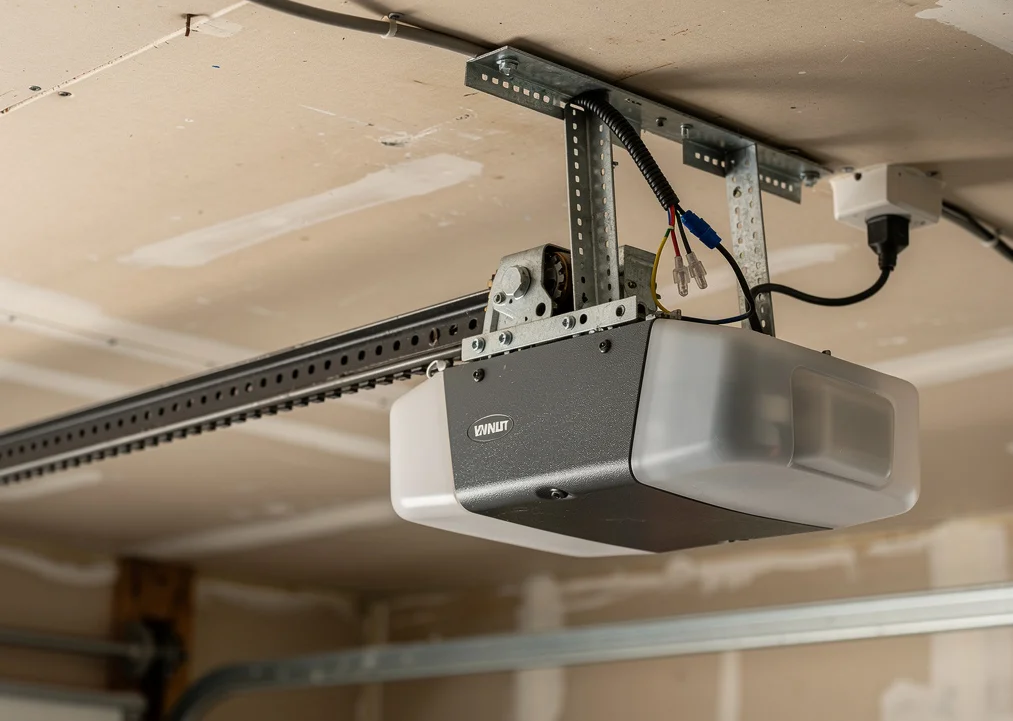
If neither the remote nor the wall control operates the opener, check whether the unit has power and whether a nearby outlet or circuit has been interrupted. If power is available but the opener remains unresponsive, the wall control, wiring, receiver, or internal electronics may need inspection. Do not open the motor housing or work on electrical connections yourself.
2. The garage door remote is not working
A remote may stop working because its batteries are depleted, its buttons are damaged, or it has lost its programming. Replace the batteries according to the manufacturer's instructions and test from a safe position. If one remote works but another does not, the issue may be limited to that remote. If no control works, the opener may need further diagnosis.
3. The opener makes noise but the door does not move
A humming or clicking opener that fails to move the door may indicate a drive-system problem, a disconnected component, or a mechanical issue with the door. Avoid repeatedly pressing the control, because doing so may add strain or worsen the fault. Keep clear of the door and arrange an inspection.
4. The garage door opens but will not close
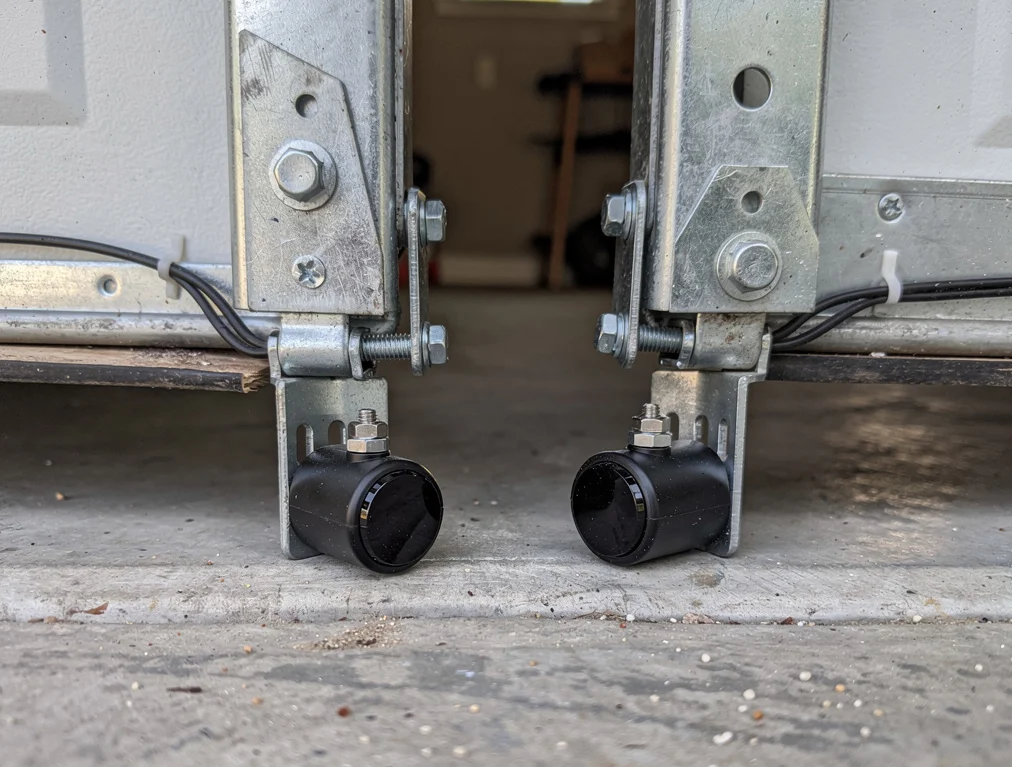
When a door opens but refuses to close, check whether an object blocks the safety sensors near the floor. Look for visible obstructions without moving the door hardware. Dirty, blocked, or misaligned sensors can interfere with closing, but damaged wiring or another fault may produce similar symptoms. Never bypass the safety sensors to make the door close.
5. The door reverses before reaching the floor
A door that starts closing and then reverses may be responding to an obstruction, sensor issue, or force and travel setting problem. Check the doorway for objects and observe the sensors from a safe distance. Do not adjust force settings without following the opener manufacturer's instructions, and seek professional help if the door continues to reverse.
6. The opener works intermittently
If the opener works sometimes but not others, possible causes include remote batteries, intermittent power, control issues, wiring faults, or a component beginning to fail. Note whether the problem happens with both the remote and wall control and whether any indicator lights flash. This information can help a technician narrow down the cause.
7. The opener strains, grinds, or stops mid-cycle
Unusual grinding, repeated stopping, or visible strain can point to an opener fault or resistance elsewhere in the garage door system. The door may have worn rollers, track problems, spring issues, or another mechanical fault. Stop using the opener if the door moves unevenly, becomes stuck, or appears unusually heavy. Do not attempt to adjust springs or cables.
What Can You Safely Check Before Calling for Repair?
A few simple checks may help identify an obvious issue, provided the door is stationary and there are no signs of damage or instability. These steps do not replace a professional diagnosis.
- Check whether the opener has power and whether a breaker or outlet issue is apparent.
- Replace remote batteries if needed and test the wall control from a safe position.
- Look for objects blocking the safety sensors near the floor.
- Observe whether the opener's indicator lights flash or display a code, then consult the owner's manual.
- Stop using the system if the door is crooked, stuck, unusually heavy, or making grinding or banging sounds.
Do not bypass safety sensors, force a stuck door, loosen brackets, adjust spring tension, pull loose cables, or open electrical components. Garage doors are heavy and spring systems store substantial energy. Leave those repairs to a qualified professional.
Should You Repair or Replace a Garage Door Opener?
Repair may be appropriate when the fault is limited to a replaceable part and the opener otherwise operates reliably. Replacement may be worth considering when the unit has recurring faults, major internal damage, unavailable parts, or features that no longer meet your needs. A technician can inspect the opener and door system and explain the options before you decide. An inspection can help establish whether garage door opener repair Washington DC is the practical option.
| Consider Repair | Consider Replacement |
|---|---|
| The problem appears limited to a serviceable component. | The opener has repeated or major failures. |
| Compatible parts are available. | Parts are unavailable or the unit is no longer practical to maintain. |
| The opener otherwise operates reliably. | The unit is unreliable or does not meet current household needs. |
| The repair estimate is reasonable for the unit's condition. | The repair cost approaches the cost of a suitable replacement. |
There is no single rule that makes replacement best in every case. Compare the written estimate, the opener's condition, and the features of a replacement. If a new unit is the better option, review the company's garage door opener repair Washington DC options and its garage door installation service.
When to Call for Garage Door Opener Repair in Washington, DC
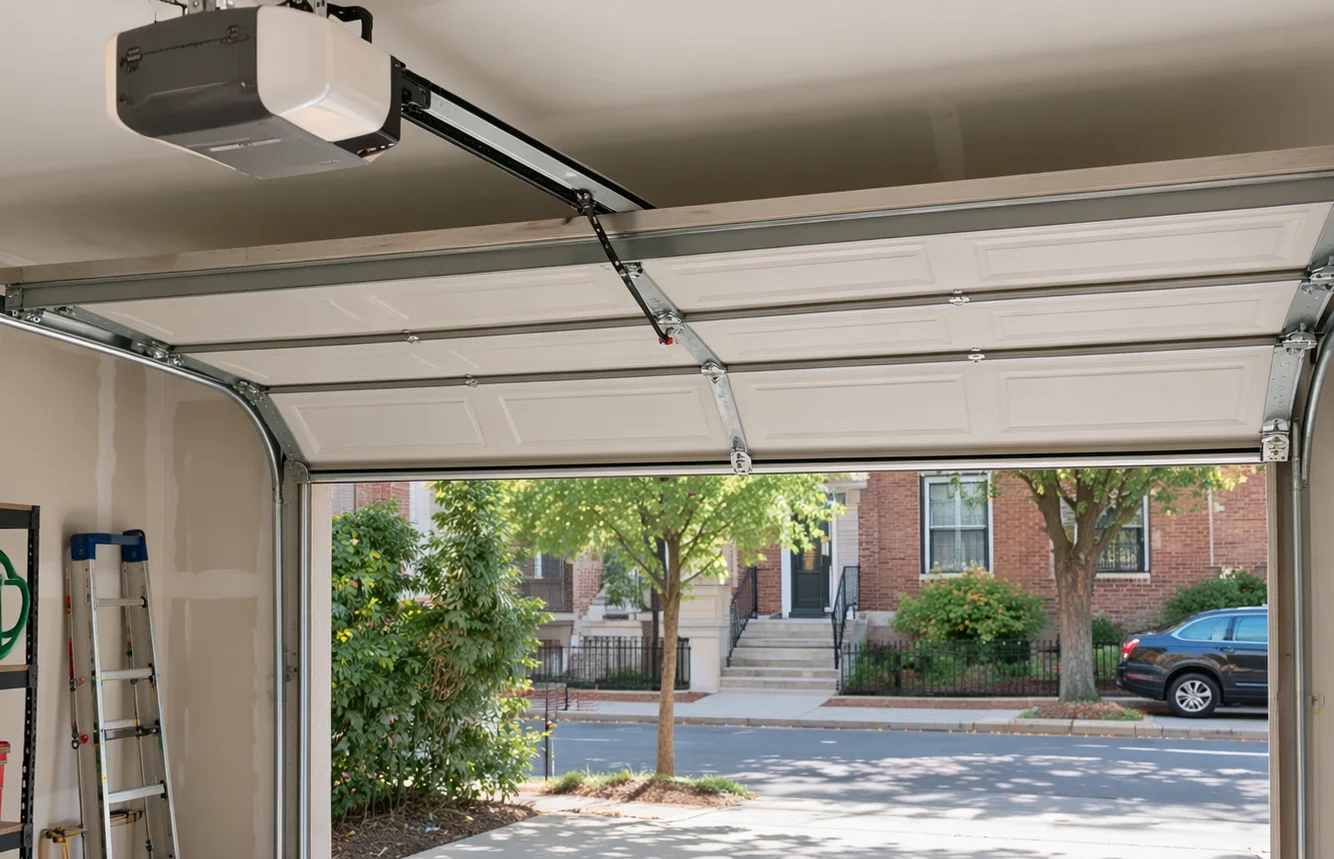
Arrange professional service when basic checks do not resolve the issue, the opener strains or stops repeatedly, the door reverses unexpectedly, or the system makes unusual noises. A professional inspection can help identify whether the issue is in the opener itself or another part of the door system before recommending garage door opener repair Washington DC homeowners may need. If the door is stuck open, off track, crooked, or affected by a broken spring or cable, keep clear and do not operate it. The opener may not be the only part that needs attention.
Neighborhood Garage Doors Of Washington DC lists Washington, DC and surrounding communities including Bethesda, Silver Spring, Rockville, College Park, Gaithersburg, Chevy Chase, Laurel, Bowie, McLean, and Alexandria among its service areas. Confirm availability for your exact address and requested repair through the Washington, DC service-area page.
Need Help With a Faulty Garage Door Opener?
Describe the symptoms and ask about the next step for your garage door opener.
Frequently Asked Questions
Why is my garage door opener not working?
Possible causes include a power interruption, depleted remote batteries, a wall-control issue, blocked safety sensors, wiring problems, or an internal opener fault. Check only the basic items that are safe to access, and arrange an inspection if the problem continues.
Why does my garage door opener run but the door does not move?
The problem may involve the opener's drive system or a mechanical issue with the door. Stop repeated attempts and have the opener and door hardware inspected rather than forcing the door to move.
Why does my garage door open but not close?
An obstruction or issue with the safety sensors may prevent closing. Look for visible obstructions without touching the hardware. Do not bypass the sensors; if the door still will not close, arrange professional diagnosis.
Can I repair a garage door opener myself?
You can perform basic checks such as replacing remote batteries, checking the power supply, and looking for visible sensor obstructions when safe. Electrical repairs, internal opener work, spring or cable adjustments, and work on an unstable door should be left to a qualified professional.
Does Neighborhood Garage Doors Of Washington DC serve my area?
Washington, DC and several surrounding communities are listed as service areas. Confirm availability for your address and repair needs on the Washington, DC service-area page.
For more service information, visit the Neighborhood Garage Doors FAQ page.
Need Garage Door Opener Repair in Washington, DC?
Contact the team to discuss the opener symptoms and confirm service availability for your address.